Page URL: https://practice.orangatamariki.govt.nz/practice-framework/whai-oranga/te-toka-tumoana/manaakitanga
Printed: 23/10/2026
Printed pages may be out of date. Please check this information is current before using it in your practice.
Caring for and giving service to enhance the potential of others.
Relational practice process
Āta is a transformative approach to working in relationships, kaupapa and environments that invites opportunities to use time and space, to make contributions towards the pursuit of oranga.
This means, in our practice we are relating with, understanding with, planning with, acting with and reflecting with tamariki, rangatahi, whānau and others.
This involves connecting with tamariki, rangatahi, whānau and others by developing and attending to relationships in ways that generate a shared understanding of the lived experience of tamariki, rangatahi and whānau and their aspiration for oranga.
This supports us to make decisions and co-develop a plan.
Manaakitanga is offered without fanfare, fuss, or expectation.
I will offer hospitality and care to everyone regardless of what I am thinking or feeling.
I am humble and sincere with tamariki, rangatahi and whānau and come with the spirit of reciprocity.
I think about how difficult my visit will be for the whānau and prepare to treat them with empathy and care.
I am prepared to listen and have open discussions about things impacting on oranga with tamariki, rangatahi and whānau.
I listen to the whānau narrative – I am there to build and deepen my understanding with them.
I will not stay fixed in my ideas; I will be willing to change in order to meet and advance oranga.
I suspend my judgement when I meet with whānau so that I can understand what has happened for them.
I think about what I bring to the relationship with others to advance the oranga of tamariki, rangatahi and whānau.
I understand what supports others I am working alongside might need in their mahi with tamariki, rangatahi and whānau.
I consider the significance of any previous history the organisation has had with this whānau and sensitively navigate building a relationship.
I seek, recognise, celebrate and promote the strengths of tamariki, rangatahi and whānau.
I provide all the information that whānau need in order for them to fully participate in decision-making.
I make sure whānau know what their entitlements are, what resources and services are available to them, and how to access them I ask if they need support to do this.
I'm able to articulate the decisions made with whānau to others, where needed – partners, legal, etc.
This involves working with tamariki, rangatahi, whānauand others in ways that minimise barriers and facilitates the participation and co-development of plans to achieve an agreed outcome.
I work collaboratively with others and share resources to promote tamariki, rangatahi and whānau oranga.
When we are planning together, we are doing this in places and times that suit whānau – I am mindful of timeframes that work for them, not the system.
I continue to be clear with whānau throughout our mahi together about what is happening and why.
I ensure that others working with whānau are part of the planning.
When I am planning with others, we are clear about what roles and obligations we will have, organisational constraints, and are realistic about what can and can't be done.
I am comfortable in silence and know that allowing space is a form of manaakitanga.
I am transparent in my actions with tamariki, rangatahi, whānau and others, continuing to show care and aroha, even when we don’t agree.
When I have an action, I make sure I follow through – I am tika and pono.
I act in ways that respect others’ professional boundaries and obligations.
I know that caring for and giving service to others happens in the advocacy role too – I work to uphold the mana of tamariki, rangatahi and whānau when working with others.
The relationship I've built with others helps to minimise barriers and advocate for tamariki, rangatahi and whānau.
Working collaboratively with others provides whānau with a consistent service which supports them in their pursuit of oranga.
This involves reflecting with tamariki, rangatahi, whānau and others to learn about their journey by identifying successes and challenges, solutions for maintenance and to celebrate.
I reflect with tamariki, rangatahi, whānau and others and we recognise, celebrate and promote tiaki.
I reflect with others about how we have worked together with this whānau - how we can continue to develop the relationship, any challenges and how we can address those together.
I reflect about not only my actions, but how I want tamariki, rangatahi and whānau to feel about my involvement in their lives.
I reflect on the ways I explored successes, challenges, and solutions with whānau in a supportive and empathetic way.
When I reflect on the difficult conversations the whānau and I may have had, I think about how I managed those with care and aroha.
I reflect on what I am contributing to tamariki, rangatahi and whānau - because relationships are built on sincere acts of giving and receiving.
Relationships are built on sincere acts of giving and receiving.
Mana enhancing practice
Being mana-enhancing and respectful, acknowledging boundaries and meeting obligations.
Service
Displaying acts of hospitality and genuine care which is inclusive and respectful.
Your role
You can identify and enact roles, responsibilities and obligations to care for and strengthen the mana of tamariki, mokopuna and whānau.
Practices
Practices include:
Genuine care of holistic wellbeing of tamariki and mokopuna.
Recognising and promoting strengths of tamariki, mokopuna and whanāu to reach their full potential.
Ensuring that engagement is a two-way mana-enhancing process.
Working collaboratively with others and sharing of resources to promote tamariki and mokopuna ora.
Supporting and facilitating tamariki and mokopuna through the social work processes with their mana upheld and strengthened.
The simple act of sharing.
Reflective questions
Describe acts of genuine care and hospitality that have happened in your work with tamariki, mokopuna and their whānau.
Describe a situation where you have practised this principle with tamariki, mokopuna and their whānau.
Share a time in our practice when you knowingly tapped into the mana of others (mokopuna, whānau, community, work colleagues etc) to help tamariki and mokopuna.
When using this principle, what experiences do you want tamariki, mokopuna and their whānau to have? What will you hear? What will you feel? What will you see?
About the manaakitanga tohu
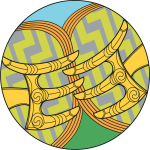
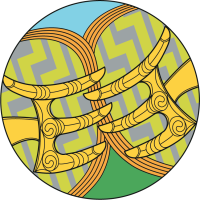
The two hands in the manaakitanga tohu represent the spiritual opening of one's korowai to unveil the person and peoples within. This in turn shows that nothing is hidden and manaakitanga to others is paramount.
Within the korowai is Te Ara Poutama (stairway to heaven).
The background colour of blue and green represents Ranginui (the Sky Father) and Papatūānuku (Mother Earth).
Can't find what you're looking for? Try the search bar or view policies.


 Āta is a transformative approach to working in relationships, kaupapa and environments that invites opportunities to use time and space, to make contributions towards the pursuit of oranga.
 The two hands in the manaakitanga tohu represent the spiritual opening of one's korowai to unveil the person and peoples within. This in turn shows that nothing is hidden and manaakitanga to others is paramount.